Black holes: where gravity is so strong that not even light gets out.
What black holes are, the kinds there are, the giant one at the centre of our galaxy, the first pictures, the ripples in space-time from black holes colliding, the people who worked it all out and the myths. Every fact is linked to its source, and there is a quiz at the end.
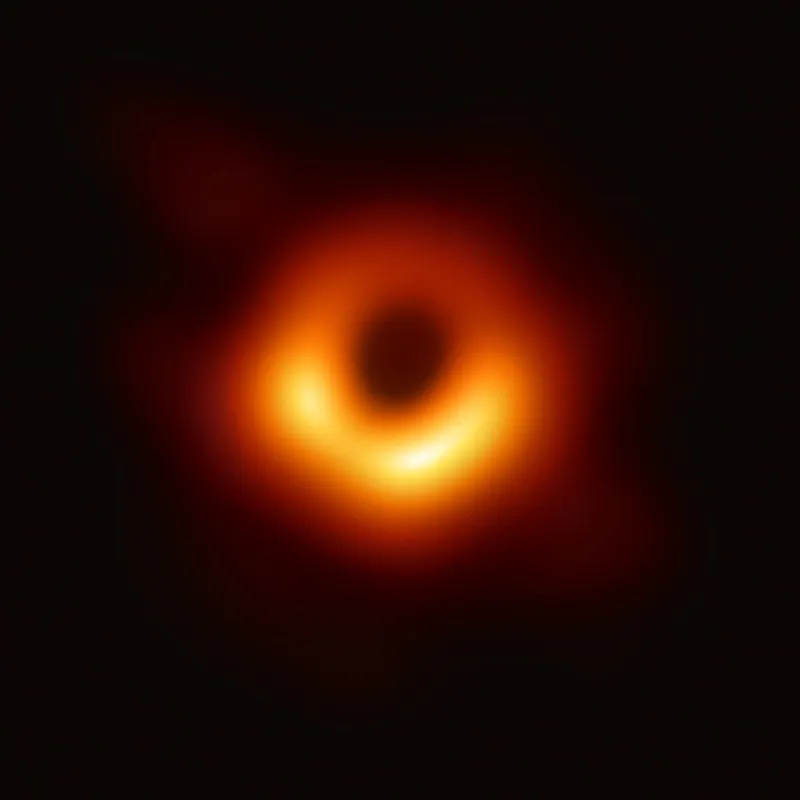
The short version
A black hole is a place where gravity is so strong that nothing, not even light, can escape from it. NASA Space Place
Black holes aren’t really holes. They are huge amounts of matter packed into very small spaces. NASA
The edge of a black hole is the event horizon. It isn’t a solid surface like Earth’s: it is a boundary that contains all of the black hole’s matter. NASA
Most of the light we see comes from the accretion disk: gas that settles into a hot, bright, fast-spinning disk and slowly works its way in until it falls through the event horizon. NASA, anatomy
Telescopes don’t see black holes themselves. They see what happens around them: hot gas, orbiting stars and bent light. NASA
Sources don’t always agree on the numbers, such as how far away our own black hole is. Where they differ, we show each figure side by side.
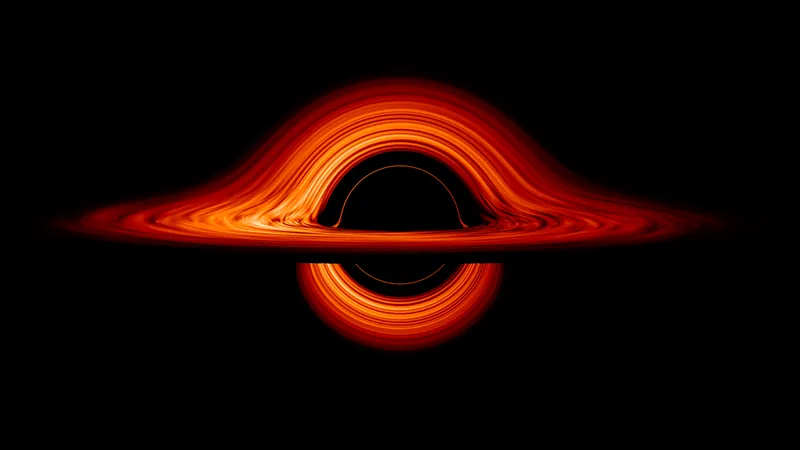
Explore
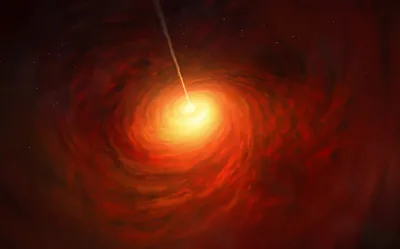 The basicsEvent horizons, disks, jets and spaghetti.
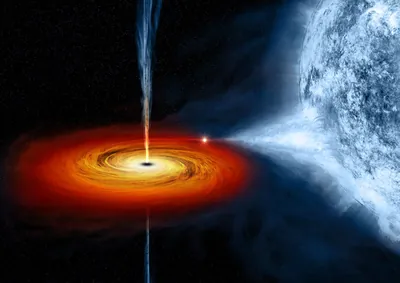 Kinds of black holeFrom 3.8 Suns to 66 billion.
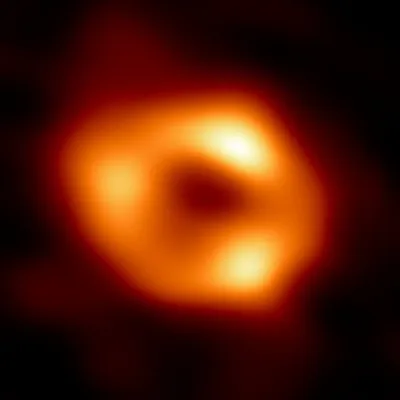 Sagittarius A*The black hole at the heart of the Milky Way.
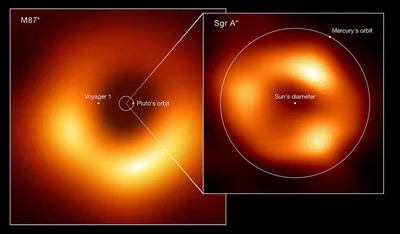 The picturesA telescope the size of Earth.
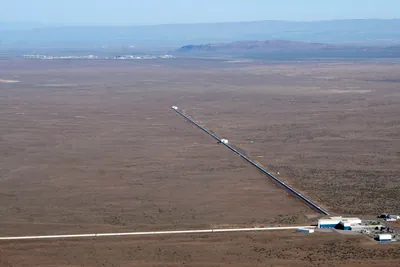 Gravitational wavesHearing two black holes collide.
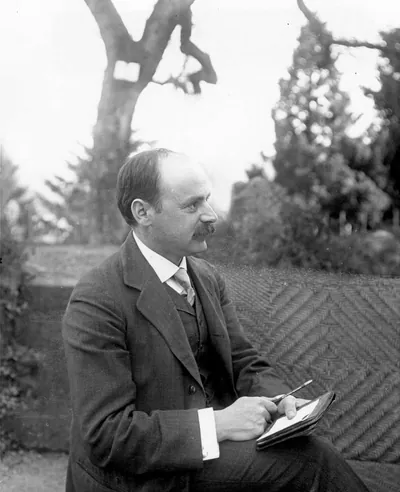 HistoryDark stars, a soldier’s maths and a famous bet.
Tile pictures are credited on their pages and on the credits page.
Try the games
A 12-question quiz, a myth-or-fact challenge, and a calculator that shows how small you would have to squash something to make a black hole.